Bondi Under Fire: Epstein Survivors & Lawmakers Blast DOJ Handling
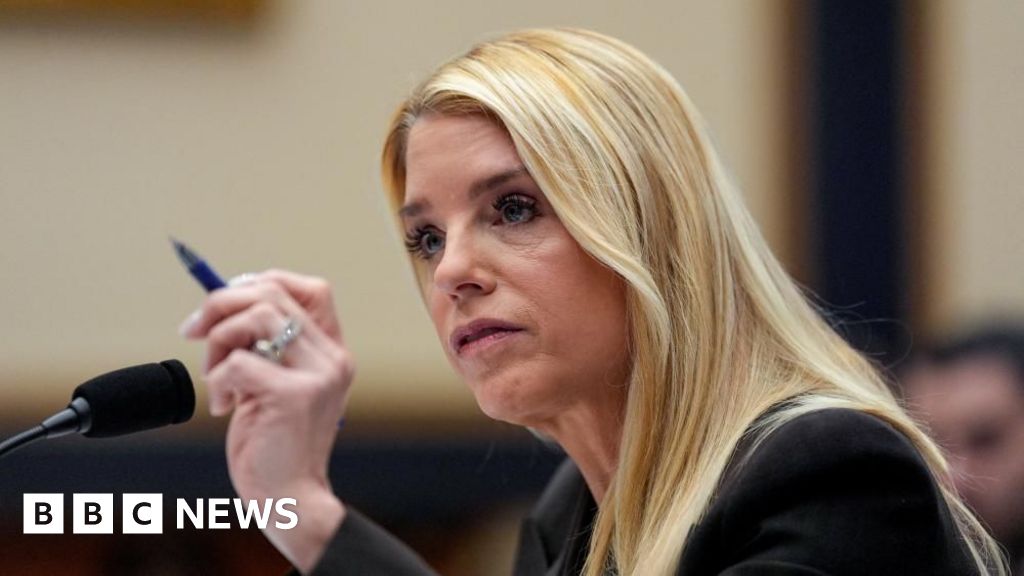
The halls of Congress echoed with outrage and frustration during a contentious House Judiciary Committee hearing, where Attorney General Pam Bondi faced a relentless barrage of questions and criticism over the Justice Department's handling of Jeffrey Epstein's case files. For many, the Pam Bondi Hearing Today wasn't just another congressional proceeding; it was a deeply personal confrontation, marked by emotional pleas from Epstein survivors and sharp political clashes that laid bare the deep divisions within Washington.
The session quickly devolved into shouting matches, underscoring the high stakes and raw emotions involved. Survivors and their families, many present in the committee room, expressed profound disappointment and anger, calling for greater transparency and accountability from a department they feel has failed them. Their presence served as a powerful, silent reminder of the human cost behind the legal complexities and political maneuvering.
The Heart of the Storm: Epstein Files & Survivor Outcry
At the core of the controversy during the Pam Bondi Hearing Today was the Justice Department's perceived mishandling of documents related to Jeffrey Epstein, the convicted sex offender whose network of abuse has scarred countless lives. Survivors and their advocates arrived on Capitol Hill with a clear message: the DOJ must do better. Dani Bensky, a courageous survivor, articulated the collective demand succinctly, stating, "The DOJ needs to do its job. Give us the rest of the files and start the investigations."
The criticisms extended specifically to Bondi and the department's actions. Sky Roberts, brother of prominent accuser Virginia Giuffre, did not mince words, calling Bondi's handling of the issue "nothing short of a failure" and imploring, "Do your job, Pam." These powerful testimonies highlight the profound impact of perceived inaction and inadequate disclosure on those who have already endured unspeakable trauma.
A particularly poignant moment came when Rep. Pramila Jayapal, D-Wash., asked the survivors in attendance to stand, then directly challenged Bondi to turn to them and apologize for the Justice Department's failure to fully redact their names when sensitive files were made public. This oversight, a stark breach of privacy, re-traumatized many and exposed them to further scrutiny. Bondi, however, declined to issue an apology, a decision that further fueled the outrage among survivors and their advocates. As one survivor, Dani Bensky, later conveyed, there was "such a lack of empathy today. There was such a lack of, honestly, humanity today."
The issue of redactions proved to be a critical flashpoint. Rep. Thomas Massie of Kentucky, a Republican who co-authored the bill compelling the DOJ to release the records, criticized the department for over-redacting information in some instances while inexplicably releasing survivors' identifying details in others. This inconsistency not only undermined transparency but also demonstrated a critical failure in safeguarding victim privacy. Ensuring proper redaction is not merely a bureaucratic task; it's a fundamental responsibility to protect vulnerable individuals and uphold public trust in the justice system. The failures highlighted during the Pam Bondi Hearing Today indicate a systemic problem that demands urgent rectification.
For a deeper dive into the emotional fallout and the specifics of the survivors' experiences, read our related article: Epstein Survivors 'Degraded' As Bondi Hearing Devolves Into Chaos.
Political Theater or Principled Stand? Bondi's Defense & Attacks
Beyond the immediate concerns for Epstein survivors, the Pam Bondi Hearing Today was undeniably steeped in political tension. Bondi's appearance was widely perceived as an attempt to project strength and loyalty to the Trump administration, which has reportedly expressed frustration with the DOJ's pace and court setbacks. At times, Bondi seemed to be reading from prepared talking points, frequently singing President Trump's praises, going as far as to call him "the greatest president in American history."
This political positioning contributed significantly to the hearing's combative atmosphere. Bondi repeatedly dismissed Democratic questions as "theatrics" and declared she would not "get in the gutter with these people." Yet, she engaged in repeated personal attacks against Democratic lawmakers. Rep. Jamie Raskin of Maryland was derided as a "washed-up lawyer," while Rep. Hank Johnson of Georgia, a two-decade veteran of Congress, was accused of lacking experience. Even Republicans who questioned the DOJ's handling of the Epstein files were not spared; Rep. Thomas Massie was accused of having "Trump derangement syndrome" and called a "failed politician."
Bondi's defense often pivoted to counter-accusations. When challenged by Democrats, she retorted by asking if they would apologize to President Trump for their involvement in past impeachment hearings. This tactic, while potentially playing to a specific political base, further alienated those seeking answers on substantive issues. Such exchanges illustrate the challenges of maintaining objective oversight when partisan lines become deeply entrenched, overshadowing the primary purpose of the hearing: accountability for the Justice Department's actions.
The political dimensions of the hearing raise questions about the integrity of the oversight process. When public officials prioritize political loyalty and personal attacks over substantive engagement, it can erode public confidence in government institutions. The pressure on the DOJ to deliver "victories" for a particular administration, as alluded to in reports, risks politicizing justice itself, a dangerous precedent for any democratic system.
To understand the broader context of the political clashes and their implications for the Trump agenda, explore: Pam Bondi's Heated Hearing: Epstein Files & Trump Agenda Clashes.
The Broader Implications: Accountability and Public Trust
The fallout from the Pam Bondi Hearing Today extends far beyond the contentious exchanges in a committee room. It highlights profound questions about government transparency, accountability, and the protection of vulnerable populations. The Justice Department, as a pillar of the rule of law, is expected to operate with impartiality and competence. When its actions, or inactions, are perceived as failing victims and stonewalling congressional oversight, it undermines public trust in the entire system.
Key takeaways from the hearing include:
- The Imperative of Victim-Centric Justice: The raw pain expressed by Epstein survivors underscores the critical need for justice systems to prioritize the healing and protection of victims. Failures in redaction or a lack of empathy from officials can exacerbate trauma.
- Congressional Oversight's Role: Despite the partisan rancor, congressional hearings like this are vital mechanisms for holding government agencies accountable. They provide a public forum to scrutinize actions and demand answers, even if the process is often messy.
- Challenges to DOJ Credibility: The repeated criticisms regarding the Epstein files, coupled with perceived political maneuvering, raise significant questions about the DOJ's credibility and its ability to act independently and effectively.
- Transparency vs. Secrecy: The debate over redactions highlights the constant tension between the need for government transparency and the legitimate concerns for privacy and ongoing investigations. Striking the right balance is crucial but often difficult.
For citizens concerned about government transparency and victim advocacy, following such hearings and engaging with their representatives is crucial. Holding elected officials and appointed leaders accountable for their conduct and the performance of their departments is a cornerstone of a healthy democracy. Advocacy groups continue to push for greater protections for survivors, urging policymakers to enact legislation that prevents similar failures in the future and ensures that justice is not merely a concept but a lived reality for all victims.
Conclusion
The Pam Bondi Hearing Today served as a vivid and often volatile reminder of the ongoing struggle for justice for Jeffrey Epstein's victims and the intense political pressures facing the Department of Justice. While Attorney General Bondi staunchly defended her agency and praised the administration, her testimony was met with fierce condemnation from survivors and lawmakers alike, who demanded accountability for perceived failures in handling sensitive case files and protecting victim privacy. The emotional pleas from those directly affected by Epstein's crimes cut through the political rhetoric, underscoring the human cost of bureaucratic missteps and partisan posturing. As the dust settles, the calls for transparency, empathy, and genuine justice continue to echo, reminding us that the pursuit of truth and accountability for victims must always transcend political expediency.